
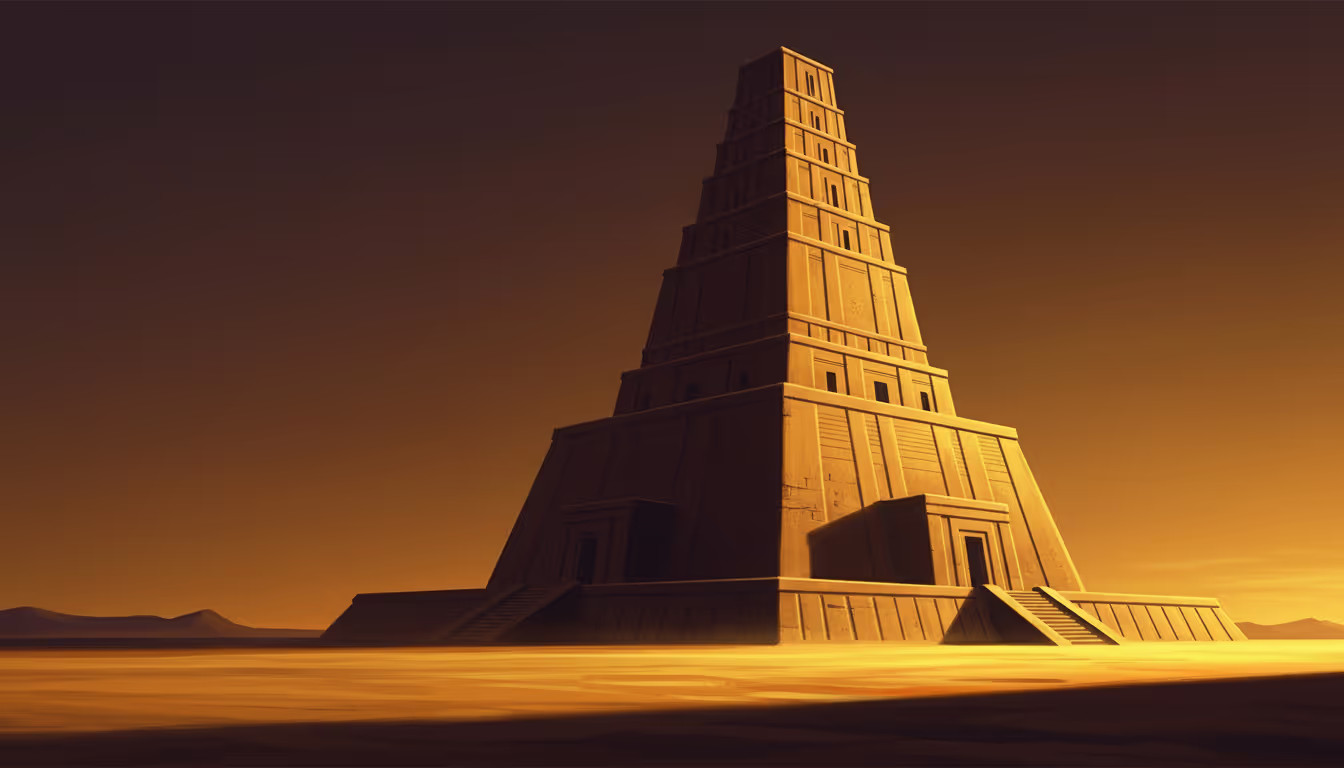
Somewhere between ancient Egypt and ancient Greece, an entire civilization is waiting. It built the first cities. It wrote the first stories. It argued, governed, traded, and occasionally made spectacularly poor decisions at a scale that would impress even the most ambitious of modern administrators. It had heroes, monsters, floods, and at least one king who refused to accept that some things could not be negotiated with. And yet, when a child walks into a library looking for an adventure set in the ancient world, they will find shelves of pyramids and togas before they find a single ziggurat.
Mesopotamia in children's fiction is not merely underrepresented. It is, for reasons that have never been entirely satisfactorily explained, almost entirely absent.
This is a curious gap. Ancient Mesopotamia gave the world its first written epic, its first legal code, and its first recorded instance of someone complaining in writing — a clay tablet from roughly 1750 BCE in which a merchant named Nanni expressed his dissatisfaction with a copper delivery in terms that remain, across four thousand years, entirely relatable. A civilization capable of producing Nanni has more than enough material for children's literature. The question is why no one seems to have noticed.
The World's First Stories Were Not Written in Greek
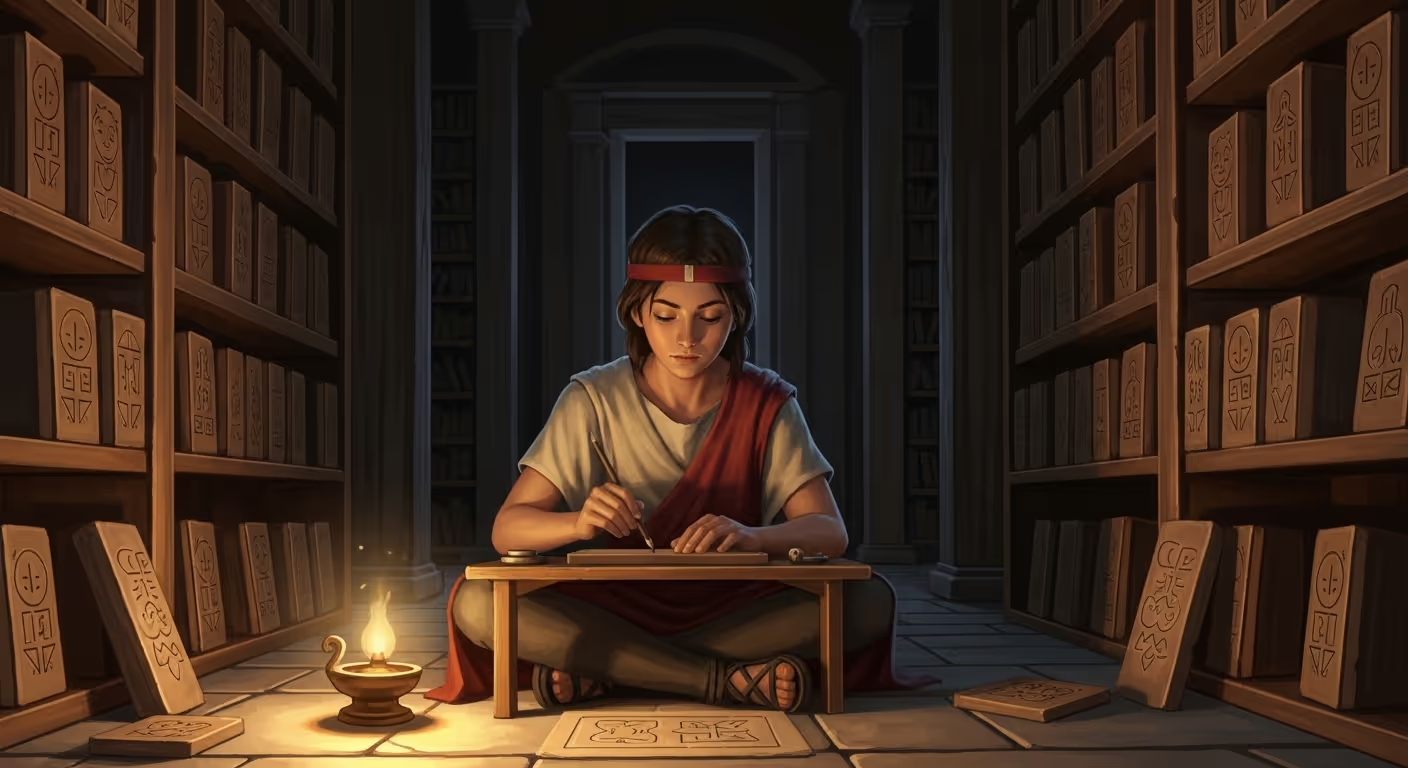
The Epic of Gilgamesh predates Homer by at least a thousand years. It features a king of extraordinary ability and extremely questionable judgment, a wild man who becomes his closest friend, a forest guardian of considerable size and temperament, and a flood that will feel familiar to anyone who has encountered a certain other ancient text. It is, in other words, already a children's adventure story. It simply has not been shelved in that section yet.
What Egypt and Greece Have That Mesopotamia Has Not Yet Claimed
The dominance of Egypt and Greece in children's historical fiction is not an accident of quality. It is an accident of familiarity. Pyramids are visually immediate. Greek mythology arrived early in Western curricula and stayed. The stories became familiar, the settings became shorthand, and the shorthand became the default.
The Civilization That Deserves Its Own Shelf
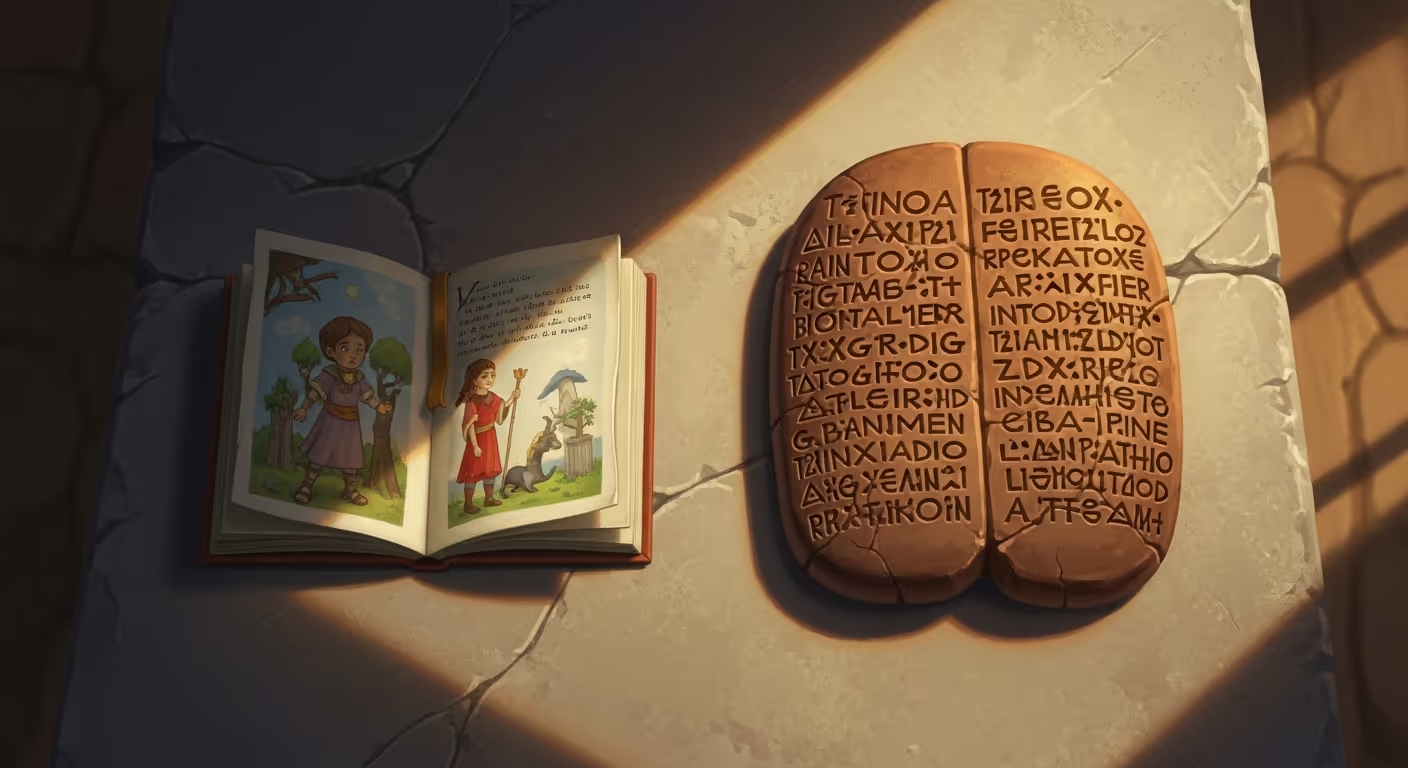
Writing a story set in ancient Mesopotamia requires a certain willingness to sit with the unfamiliar — to let the names, the places, and the rules of the world arrive gradually rather than all at once. This is, in practice, one of the more interesting challenges a story can offer its author. There is no existing template to follow, no established visual vocabulary to borrow. Every detail must be earned, which means every detail, once earned, carries genuine weight.
The world's first storytellers lived in a civilization that most children have never been invited to visit. They wrote on clay, argued with their gods, and built cities that lasted longer than most things built since. Their stories survived not because they were preserved carefully but because they were too good to lose entirely.
Somewhere in that survival is a quiet suggestion that these tales were always meant to find new readers — readers who might arrive, four thousand years later, with no expectations and a great deal of curiosity. Some of those readers are still quite small, and they are, by all accounts, exactly the right age for a first visit to Uruk.
Readers curious about what one of those Mesopotamian stories actually looks like when told with humor and humanity may enjoy this post about Why The Funny Epic of Gilgamesh is nothing like the version you encountered in school.