
Every story has a villain. They arrive with reliable timing — usually at the point when things were going reasonably well — and proceed to complicate matters in ways that are, from the hero's position, entirely unwelcome. What the story does not always mention is that the villain was not, from their own position, doing any of this. They were solving a problem. They were protecting something. They were correcting an injustice that the narrative, being told from the other side, declined to present as an injustice. The villain's perspective in classic stories is not an alternative reading of events. It is the same events, seen by someone who was present at all of them and arrived at entirely different conclusions — which is, on reflection, a considerably more interesting story than the one everyone already knows.
A story told from one side is a complete story. A story examined from the other side is a more honest one. The villain of any classic tale operated with motives, a history, and a set of beliefs that the narrative found inconvenient to examine too closely — because examining them too closely tends to complicate the ending. The villain's perspective in classic stories does not make the villain right. It makes the story larger. And stories, when they become larger, have a habit of becoming considerably more worth telling.
The Plan That Made Perfect Sense From Where They Were Standing
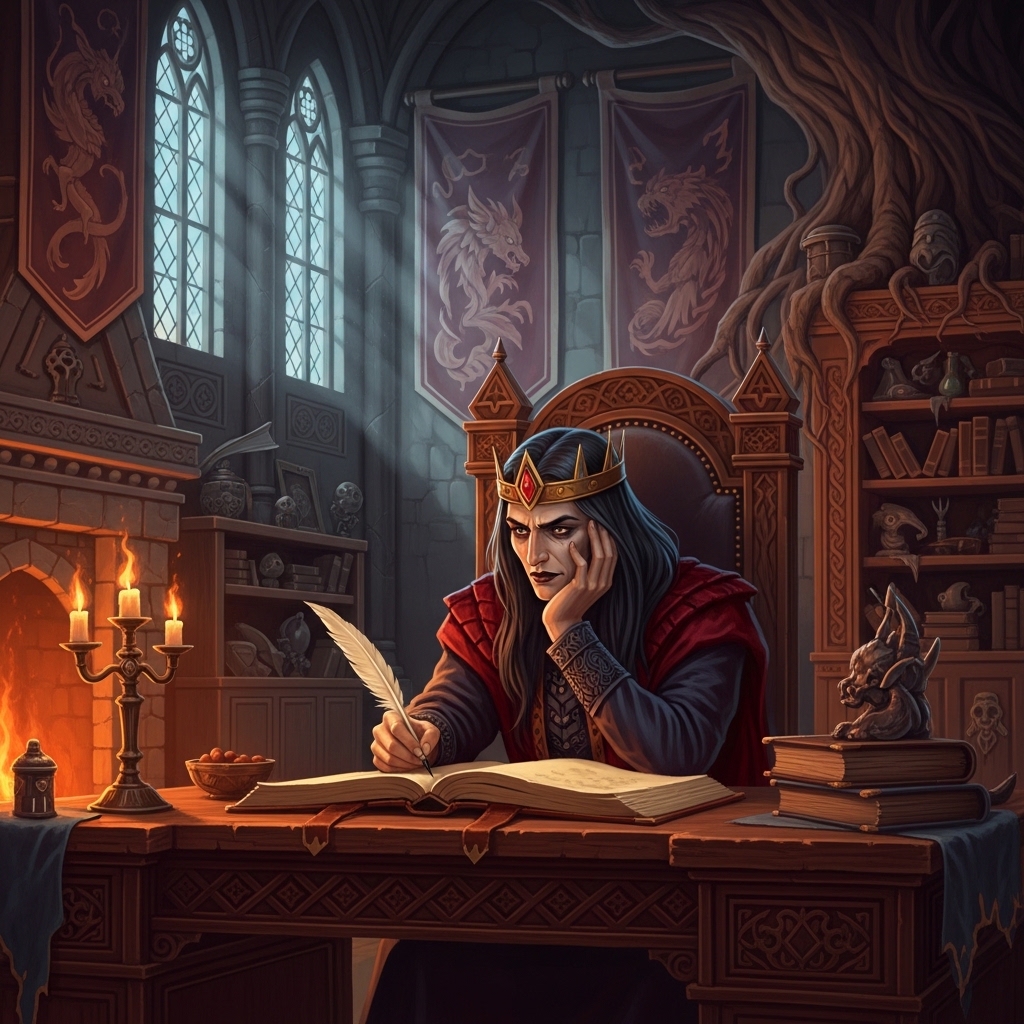
Every villain has a plan. The plan is presented, from the hero's side, as self-evidently unreasonable — a scheme, a plot, a design that any sensible person could see was wrong. From the villain's side, the plan is a solution. It addresses a real problem, using the available means, toward an outcome that the villain considers not just acceptable but necessary.
The witch who guards the forest is not guarding it from heroes. She is guarding it from exactly what heroes represent — the intrusion of the outside world into something that was carefully maintained before the intrusion arrived. The giant at the gate is not blocking passage out of malice. He is standing where he has always stood, doing what he has always done, in a place that existed before the quest that now requires his removal.
The villain's perspective in classic stories reveals that the obstacle was, in almost every case, a person — with a purpose, a place, and a reasonable objection to what the hero was doing, stated in the only terms available to someone who has been cast as the problem rather than the solution.
The Version of Events They Would Have Written
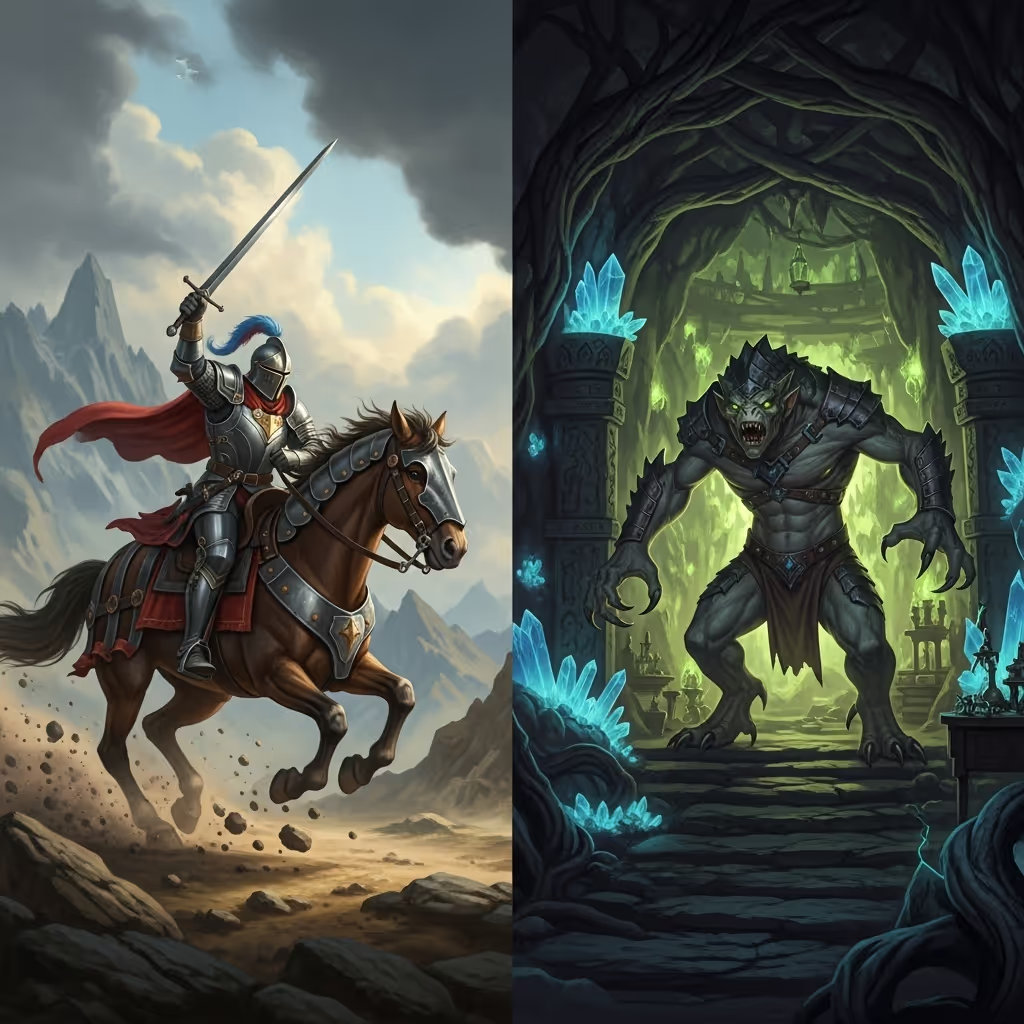
A villain given a pen and sufficient time would not write a confession. They would write a history — of everything that happened before the hero arrived, of the situation as it actually was before it became a story about someone else, of the choices that were made and the reasons they were made, which the official account reduced to villainy because the official account was not written by them.
This version of events would not be comfortable. It would not resolve cleanly into a lesson. It would contain the particular inconvenience of a perspective that has some validity — not enough to excuse everything, but enough to complicate the certainty with which everything was condemned.
The villain's perspective in classic stories is valuable precisely because it does not simplify. It takes a story that felt finished and reveals that it was finished only from one angle — that from another angle, it is still unresolved, still in progress, still waiting for someone to ask the question the narrative decided not to ask.
What Changes When the Other Side Gets to Speak
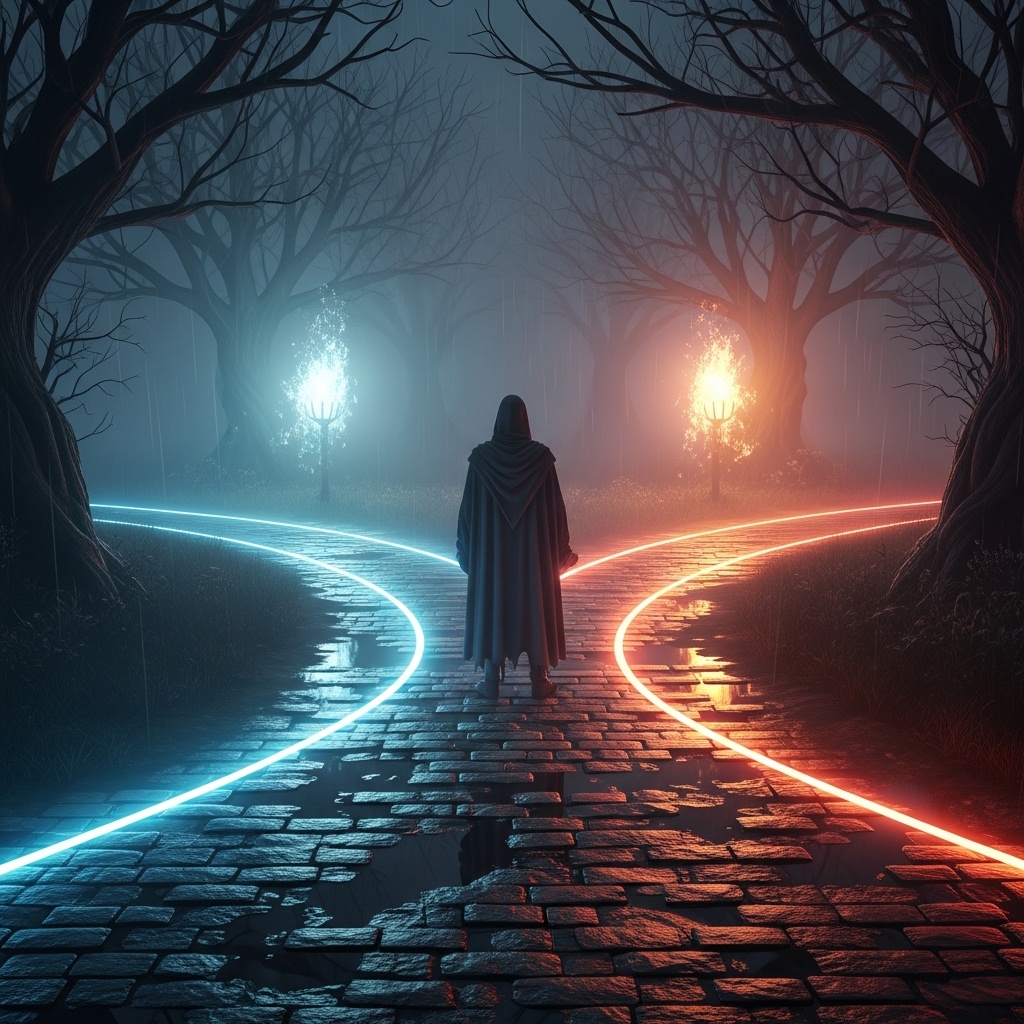
When the villain's perspective enters a classic story, the story does not become the villain's story. It becomes a larger version of itself — one that contains both the hero's account and the other account, and trusts the reader to hold both without being told which one to believe.
This is the most demanding thing a story can ask of its reader, and children, it turns out, are considerably better at it than is generally assumed. A child who has been told that the wolf was hungry — not cruel, just hungry, and operating according to the only logic available to a hungry wolf — does not stop sympathizing with the grandmother. They simply begin to understand that the story was always more complicated than the version that arrived first.
The villain's perspective in classic stories is not a lesson in sympathy for bad behavior. It is a lesson in the kind of reading that asks: who else was there, what did they see, and why does their account not appear in the version that everyone agreed to pass down? That question, asked early enough and with sufficient curiosity, produces readers who understand that no story is told without a perspective — and that the perspective that was chosen is never the only one that was available.
The villain is still in the story. They always were — present at every significant moment, operating with full conviction in the correctness of their position, making choices that made sense from where they stood. The hero's account simply arrived first and stayed longest. The villain's perspective in classic stories is the account that came second — quieter, less celebrated, and considerably more interesting for anyone willing to hear it out. It does not change the ending. It changes the understanding of everything that led to it. And stories understood more completely are, without exception, worth more than stories understood from only one side.
Readers who find this perspective compelling may enjoy this post about the servant who knew everything — untold perspectives in classic stories — which explores another figure who was present at every significant moment and whose account has never been properly collected.